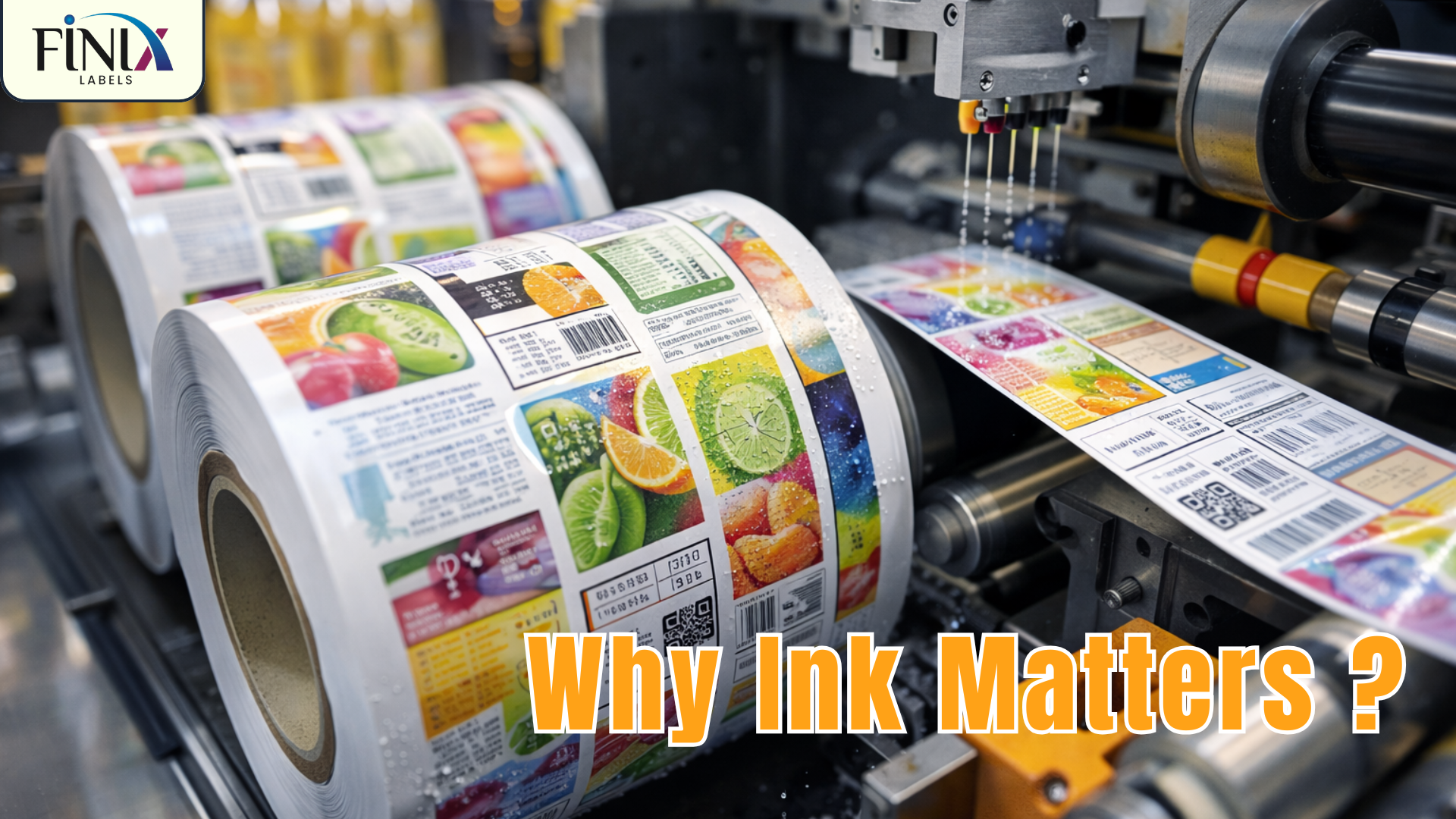
Why Ink Quality Affects Shelf Life of Labels
Labels are expected to last as long as the product they are applied to. Whether the product is stored on a shelf, transported across locations, or displayed under lights, the label must remain clear and readable. Many businesses focus on label material and adhesive but overlook one critical factor. Ink quality plays a major role in determining how long a label maintains its appearance and legibility. Poor ink performance can shorten label shelf life even if the label material is good.
Ink quality directly affects how well a label withstands time and environmental exposure. Labels are exposed to moisture, heat, friction, light, and handling. If the ink is not suitable for these conditions, it may fade, smudge, crack, or bleed. This leads to labels looking old or damaged long before the product reaches the customer.
One common issue is fading due to light exposure. Products displayed in retail stores often sit under strong lighting for weeks or months. Low-quality ink fades faster, making text and images unclear. This affects brand visibility and reduces product appeal on the shelf.
Moisture resistance is another important factor. Labels on food, beverages, pharmaceuticals, and household products are often exposed to humidity or condensation. If the ink is not moisture-resistant, printed information may blur or wash away. This can cause loss of critical details such as batch numbers, expiry dates, or usage instructions.
Ink adhesion also affects durability. Poor ink bonding leads to cracking or peeling when labels bend or wrap around containers. During packing, transport, and handling, labels face constant friction. Strong ink adhesion ensures that print remains intact despite movement and contact.
Ink quality also impacts compliance and traceability. Regulatory information must remain readable throughout the product’s shelf life. If ink degrades, businesses face risks during audits, recalls, or customer complaints. A label that cannot be read properly loses its purpose, regardless of how well it sticks.
Choosing the right ink depends on label material, printing method, and end-use environment. Testing ink performance under real conditions is essential to ensure long-term reliability.
Conclusion
Ink quality is a key factor that determines how long a label performs its function. Labels with strong, stable ink maintain clarity, protect brand image, and support compliance throughout the product’s life.
At Finix Labels, ink selection and testing are treated as an essential part of the label development process. By matching ink systems to materials and usage conditions, Finix Labels ensures that labels remain clear, durable, and reliable from production to the final shelf. Because a label that fades early weakens the product, but a label with lasting ink supports trust and quality every day.
For enquiries and barcode labels, mail us at info@finixlabels.com
Call: +91 98464 31143