Why Label Matrix Removal Matters in Label Manufacturing
Have you noticed that printed labels come in rolls, with each label neatly separated from the next? Before these rolls are ready for use, the extra material around the labels must be removed.
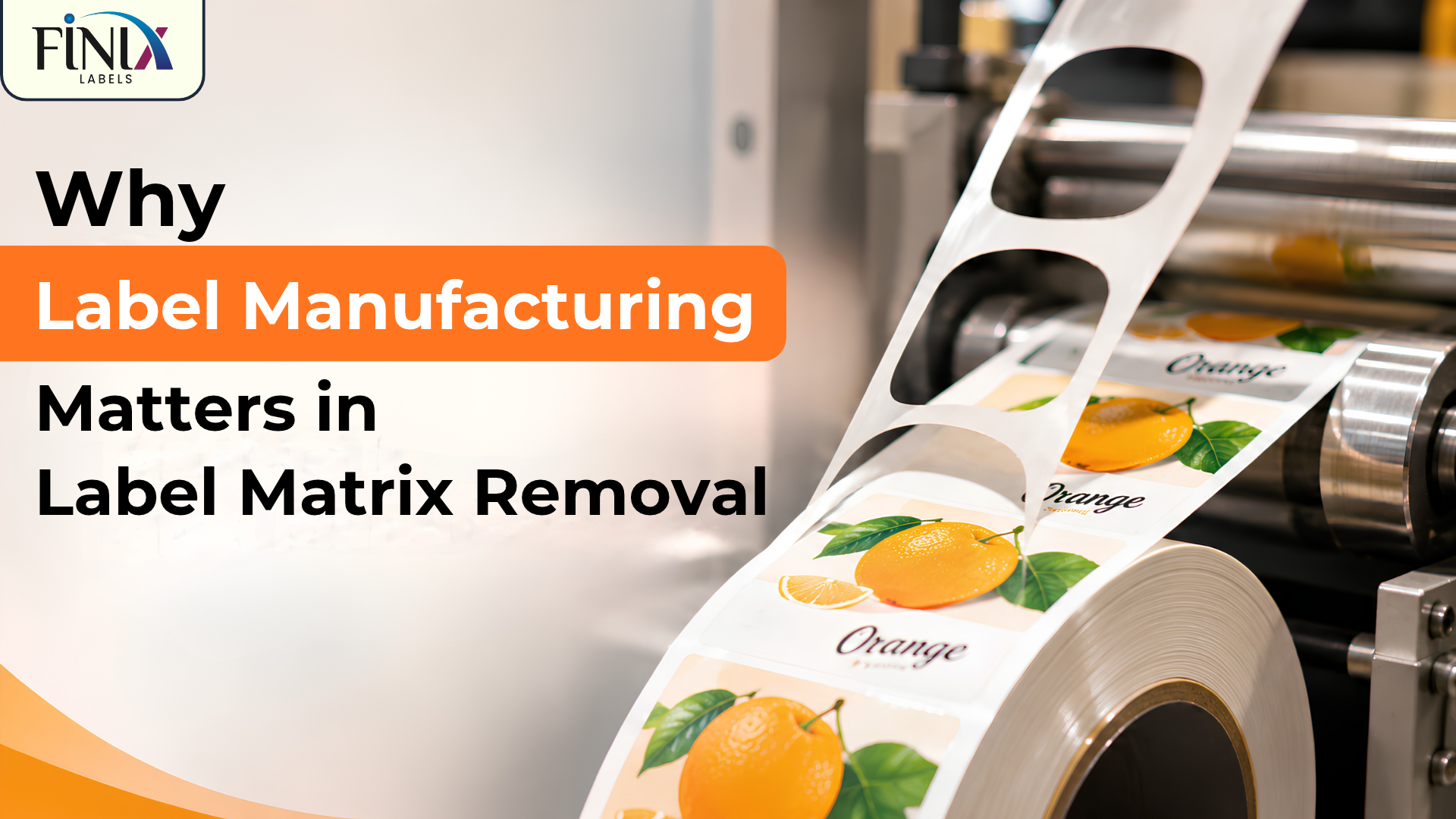
This step is known as label matrix removal. It is part of the finishing process in self-adhesive label manufacturing. If the waste material is not removed properly, it can damage the labels and slow down production.
What Is Label Matrix Removal?
During label printing, several labels are printed on a continuous sheet of material. The labels are then die-cut into the required shapes and sizes.
After cutting, the extra material surrounding each label is called the matrix. This material is peeled away, leaving the finished labels on the backing liner.
The labels can then be wound into rolls for packing or use in automatic labelling machines.
Why Matrix Removal Needs Care
Removing the waste material may look simple, but it needs proper machine settings and careful handling.
If the matrix breaks while being removed, the machine may need to be stopped. Sometimes, small labels can lift along with the waste, leaving gaps in the finished roll.
These problems can lead to damaged labels, wasted material, and delays in production.
Label Shape Can Affect Waste Removal
Not all labels are easy to separate from the surrounding material.
Simple rectangular or circular labels are generally easier to handle. Labels with narrow sections, sharp corners, or detailed shapes may need additional care.
The space between labels also matters. Very narrow gaps can make the waste material more likely to tear.
Considering these details during label design can make the finishing process easier.
Why Label Material Matters
Paper labels, BOPP labels, and other self-adhesive materials behave differently during matrix removal.
Some materials stretch when pulled, while others may tear under tension. The thickness and strength of the material can also affect the process.
The machine settings should match the label material to avoid unnecessary damage.
How Cutting Quality Helps Matrix Removal
Accurate die-cutting is important for clean waste removal.
If the cutting is improper, the matrix may remain connected to the labels. If the cutting tool goes too deep, it can damage the backing liner.
Checking the cutting depth and finished label edges helps identify these problems before production continues.
Reducing Label Waste During Production
A broken matrix can interrupt the finishing process and increase material wastage.
Maintaining suitable machine tension, checking the cutting quality, and using the correct label material can help reduce these interruptions.
Regular checks during production also help ensure that the finished label rolls are free from missing or damaged labels.
Why Finix Labels?
Good label manufacturing requires attention to printing, die-cutting, matrix removal, and finishing. Proper handling at each stage helps produce labels that are ready for packaging and application.
At Finix Labels, we manufacture BOPP labels, paper labels, clear labels, self-adhesive labels, barcode labels, and customised product labels according to customer requirements.
For enquiries:
Mail: info@finixlabels.com
Call: +91 98464 31143